

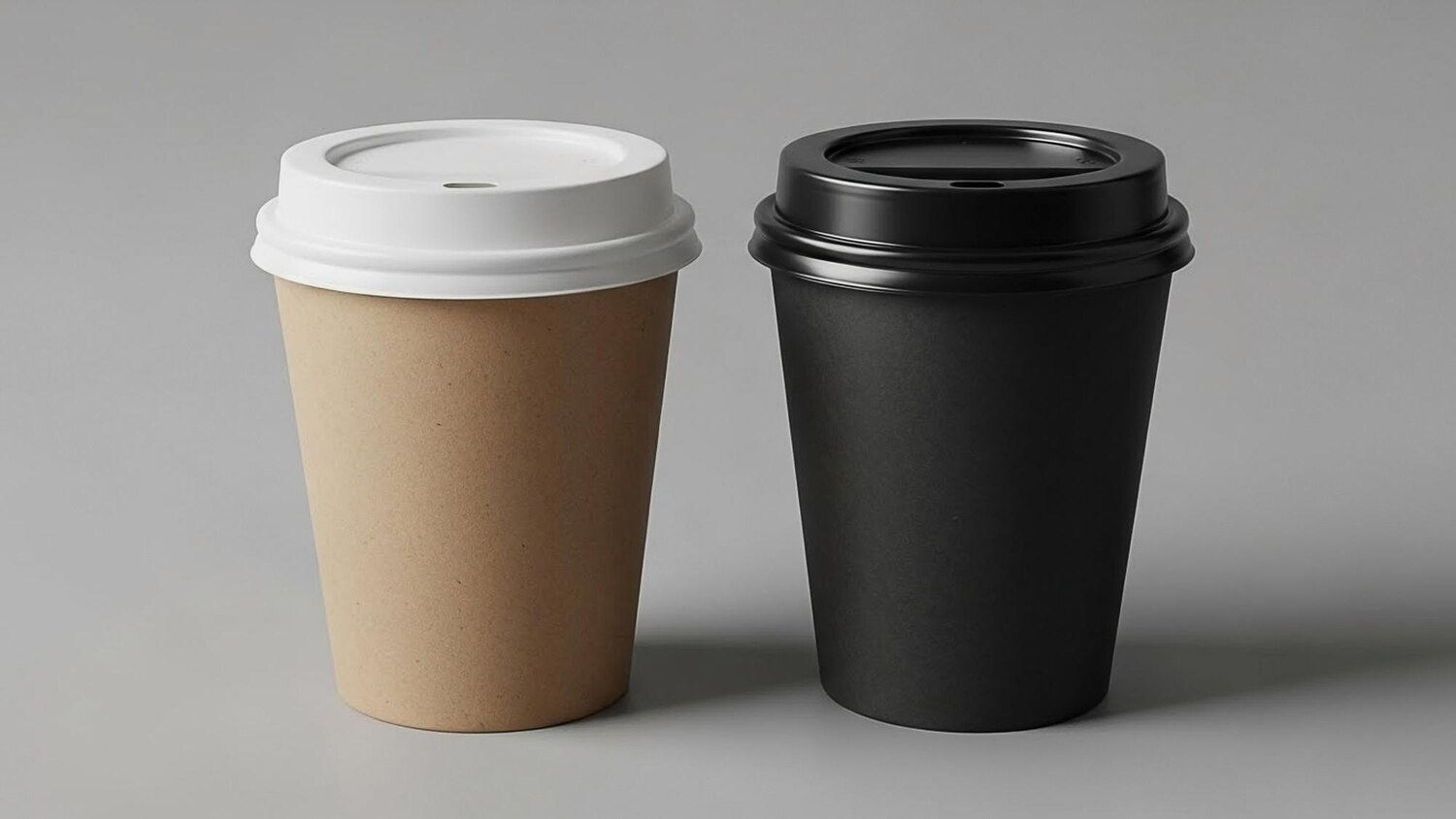
In the present day, sustainability is a critical consideration for both consumers and businesses. A key element in promoting environmentally friendly practices is the utilisation of disposable coffee cups made from eco-friendly materials. These products offer an effective solution to the pressing issue of waste generated by conventional cups.
The Environmental Impact of Traditional Coffee Cups
Conventional disposable coffee cups are often lined with polyethylene, making them difficult to recycle. This results in an enormous volume of waste that contributes to environmental degradation and landfill overload. Given the extensive consumption of coffee globally, the need for more sustainable alternatives has never been greater.
Innovative Materials for Sustainable Coffee Cups
The production of eco-friendly disposable coffee cups involves the use of biodegradable and compostable materials. These materials include polylactic acid (PLA) and other plant-based plastics, which are designed to break down naturally. Unlike traditional plastics, these innovative materials do not persist in the environment for extended periods, reducing potential harm to local ecosystems.
Benefits of Using Eco-Friendly Coffee Cups
Switching to sustainable coffee cups presents numerous advantages. Firstly, it contributes to the reduction of plastic waste, alleviating the burden on our planet’s landfills and oceans. Secondly, these cups are designed to decompose naturally, thereby minimising their ecological footprint. Moreover, the adoption of such products aligns with the increasing consumer demand for environmentally responsible options.
Commercial Impact and Consumer Demand
For businesses, embracing eco-friendly solutions can enhance brand reputation and appeal to a growing market of environmentally conscious consumers. Offering sustainable products, such as disposable coffee cups, allows businesses to meet this demand while lowering their environmental impact.
Challenges in Adoption
Despite the clear benefits, the transition to eco-friendly disposable coffee cups is not without challenges. These include higher production costs and the need for widespread consumer education on the disposal and recycling processes associated with these products. However, ongoing advancements in technology and manufacturing are expected to address these hurdles.
Regulatory Considerations and Industry Standards
Regulatory frameworks play a significant role in the adoption of sustainable packaging solutions. Governments around the world are increasingly implementing regulations that encourage the use of eco-friendly materials, thereby accelerating the shift towards sustainable practices.
Case Studies and Industry Examples
Various companies have already made substantial strides in implementing eco-friendly packaging solutions. These businesses have not only reduced their environmental impact but have also gained a competitive edge in the marketplace.
Future Trends in Coffee Cup Sustainability
The future of disposable coffee cups is likely to see further innovation, with ongoing research aimed at improving the sustainability of these products. The development of new materials and improved recycling infrastructure will play a crucial role in this evolution.
How Consumers Can Contribute
Consumers play a vital role in driving demand for sustainable products. By choosing eco-friendly coffee cups and supporting businesses that prioritise sustainability, consumers can contribute to the positive shift towards reducing environmental impact.
Conclusion
Eco-friendly disposable coffee cups represent a significant advancement in sustainable packaging solutions. As both consumers and businesses increasingly prioritise environmental responsibility, the demand for such products is expected to grow. Transitioning to these alternatives not only supports environmental sustainability but also aligns with the evolving preferences of conscious consumers.
