

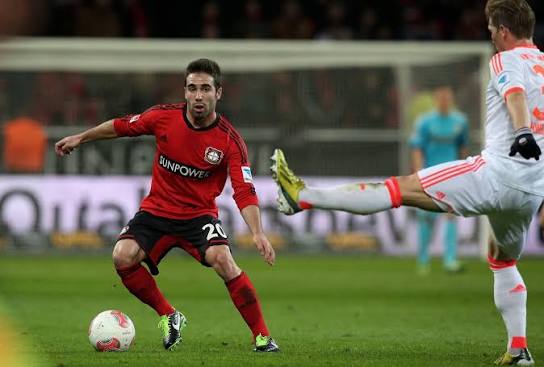
In La Liga 2012/13, attacking full-backs were central to transforming wide possession into concrete outcomes: chances on goal and a steady stream of corner kicks that extended pressure and reshaped match dynamics.wikipedia+1
Why Attacking Full-Backs Naturally Create Shooting Opportunities
When a full-back pushes high, he adds an extra player to the attacking line, stretching the opposition’s back four and forcing wingers or midfielders to make defensive decisions they would rather avoid. The cause is simple: an overlapping run presents a second wide threat, which pulls at least one defender out of the central lane; the outcome is more space between centre-backs and inside channels, and the impact is a higher probability that cut-backs or low crosses will reach a shooter in a favorable zone. Over 38 matches in 2012/13, teams that routinely asked full-backs to advance—Barcelona being a prime case with Alves and Alba—essentially turned touchline runs into repeated patterns of diagonal passes and shots from the penalty area.espn+2
La Liga 2012/13 Tactical Context for Full-Backs
The 2012/13 season combined possession-heavy teams with direct, counter-focused sides, meaning attacking full-backs operated in very different environments depending on club identity. In systems where the full-backs were expected to provide width, wingers often moved into half-spaces or central channels, ensuring that once the full-back reached advanced positions, he had immediate passing lanes into areas with higher expected goal values than simple touchline crosses. In contrast, more conservative teams treated full-back advances as episodic tools—used mainly during controlled periods of pressure—so their impact on chance volume and corner counts was more situational than constant.fcbarcelona+2
Mechanism: Overlaps, Cut-Backs and Central Finishing
The attacking mechanism hinges on timing: the full-back must arrive on the overlap just as the winger attracts a double team, opening a passing channel down the line. Once the ball reaches the full-back near the edge of the area, he has three main cause–effect choices that influence shot and corner generation:
- Drive toward the byline and cut the ball back toward the penalty spot.
- Cross early before defenders fully reset their shape.
- Combine with an inside midfielder to switch the point of attack.
In 2012/13, frequent cut-backs from high full-back positions had a clear outcome: balls arriving low to onrushing attackers, often unmarked at the top of the six-yard box, which increased shot frequency and shot quality simultaneously. The impact was visible in assist and chance-creation data—Alves led Barcelona in crosses into the area, while Alba was reported as the defender with the most tackles and a strong chance-creation record—showing how wide movement translated into measurable offensive output.
Conditional Scenarios Based on Opponent Shape
Opponent tactics determined whether these wide patterns led more to shots or corners. Against deep, narrow defenses, full-backs reaching the byline often found crossing lanes congested, pushing them to aim for deflections or blocked crosses that produced corners. Versus teams holding a higher line and pressing the ball, the same overlaps created gaps behind full-backs themselves when possession was turned over, meaning the attacking benefit carried a defensive risk that could flip into counter-attacking chances for the opposition.
Corners as a Secondary Product of Full-Back Pressure
Corner kicks are rarely the main objective of an attack, but high full-back involvement makes them a logical by-product of repeated wide pressure. As full-backs drive crosses and low balls into crowded areas, defenders prioritize blocking the immediate danger, and the outcome is a higher rate of ball deflections beyond the goal line rather than clean clearances into safe zones. Over a full La Liga season, teams known for aggressive full-back play tend to generate above-average corners for, because their wide overloads keep the ball in advanced lanes and force defenders to make emergency interventions under pressure.soccerstats+1
Before we look at implications for betting, it helps to distinguish how different types of wide actions correlate with corner creation. In broad corner statistics, leagues display typical ranges of total corners per match, with sides that push both full-backs forward often sitting near the higher end of “corners for” counts due to sustained territorial pressure
Table: Typical Corner Dynamics in Full-Back-Driven Offense
When we interpret general corner data with an eye on full-back behavior, patterns emerge that explain why some teams consistently produce more corners than others. The table below is illustrative rather than team-specific, tying offensive behaviors to likely corner outcomes
| Offensive pattern | Likely corner outcome trend |
| Both full-backs overlapping frequently | Higher corners for, moderate against |
| One full-back attacking, one staying | Balanced corners for and against |
| Full-backs mostly reserved | Lower corners for, fewer transitions |
Teams committing both full-backs forward routinely feed high balls and driven crosses into the box, which defenders block or deflect under stress, lifting corners-for rates across the season. Systems with only one attacking full-back show a more balanced profile: they do gain extra corners on the overloaded flank but face fewer transition situations where hurried clearances from the other side produce corners against. More conservative setups, where full-backs seldom leave their line, do not generate as many corners because they rely on narrower patterns and fewer byline runs, even if they protect themselves against counters more effectively.espn+1
Data-Driven Betting Lens on Full-Back Offense
For data-driven betting, attacking full-backs become variables that shift expectations for both shot volume and corner counts, especially in pre-match models that attempt to forecast totals markets. A bettor evaluating La Liga 2012/13-era matchups could think in terms of cause and outcome: if a team consistently deploys aggressive overlaps from both sides, then projected shots and corners should be nudged higher, while acknowledging that this same pattern also raises the probability of opponent counters and shots against. The impact on odds is subtle but real—total shots and total corners markets respond to team styles, and accurately weighting full-back behavior reduces the risk of underestimating match volume in games featuring wide, proactive sides.wikipedia+2
To make this useful in practice, analysts can tag previous matches by full-back positioning (average touch maps, cross counts, chances created from wide areas) and correlate these tags with shot and corner outcomes, building heuristics for when an elevated line of full-backs truly pushes totals up rather than merely decorating possession without end product.blogarchive.statsbomb+1
UFABET and Live Adjustments to Full-Back Behavior
When live betting markets start to react to in-play pressure, full-back behavior can justify small, time-sensitive adjustments to expectations. Observation might begin with the degree to which full-backs hug the touchline and the frequency of their overlaps in the opening twenty minutes; if they are repeatedly receiving the ball near the final third and forcing defenders into blocks, the immediate outcome is usually a rise in corner counts and shot attempts, especially from cut-backs. In those moments, a bettor who uses a sports betting service such as ufa168 เข้าสู่ระบบ can rationally consider modest entries on in-play corners or shots-based lines, provided the pattern appears structural rather than a short-lived burst due to game state alone. The key impact here is not to chase every attack but to read full-back involvement as evidence of an underlying tactical choice: persistent wide overloads signal that higher offensive volume is likely to continue, whereas brief surges with full-backs quickly dropping back may reflect temporary scoreline pressure instead of a lasting game plan.espn+2
Where Full-Back Attacking Fails to Generate Value
There are matches where full-backs push high yet produce fewer shots and corners than expected, usually because the opposition successfully traps play on the wings and denies clean entries towards the byline. When midfield support fails to arrive, high full-backs can be isolated, leading to slow recycling of possession backwards rather than aggressive forward actions that end with shots or defensive blocks. In such cases, the cause is an inadequate link between central midfield and wide channels; the outcome is sterile crossing or harmless lateral passes, and the impact is a mismatch between apparent attacking intent and the real statistical footprint of the game, which can mislead bettors who rely only on raw heat maps.fcbarcelona+3
Another failure scenario involves intense pressing from the opposition wingers and full-backs, who aggressively close down overlaps and force turnovers before the attacking full-back can deliver. The result can be rapid counters into space behind the advanced full-back, increasing opponent shot volume while leaving the original team’s shot and corner counts lower than their tactical ambition suggested, a reversal that punishes anyone who assumed attacking full-backs automatically guarantee high offensive output.wikipedia+2
Translating Full-Back and Corner Logic to casino online Markets
When approaching odds through an online betting site, a rational way to integrate attacking full-back logic is to treat it as a structural factor that modifies baseline expectations rather than a shortcut to guaranteed value. A team whose full-backs consistently contribute high cross numbers and wide chance creation, as documented in reports on players like Dani Alves and Jordi Alba from the 2012/13 season, should push your projected corner totals and shot counts upward at the margin when you enter markets via a casino online website, but only after checking that recent tactical setups still rely on those patterns. If a new coach has reduced full-back freedom or swapped them for more defensive profiles, older data ceases to describe current behavior, and relying on historic wide outputs becomes a liability rather than an edge, highlighting that cause–effect chains in betting models must adjust as underlying roles evolve.facebook+3
Summary
Attacking full-backs in La Liga 2012/13 helped turn wide possession into concrete production: more shots from central zones and a steady rise in corners earned through blocked crosses and deflected cut-backs. Their forward runs stretched defenses horizontally, opened half-spaces for attackers and forced emergency defensive actions that left a statistical signature visible in chance-creation and corner data across the season. For data-driven betting, the most robust stance is to treat full-back aggression as a contextual input—one that lifts expected offensive volume and corner counts when consistently backed by tactical structure and team identity, but whose influence weakens or even reverses when opponents successfully neutralize wide overloads or when coaching changes redraw the role of the modern full-back.
