

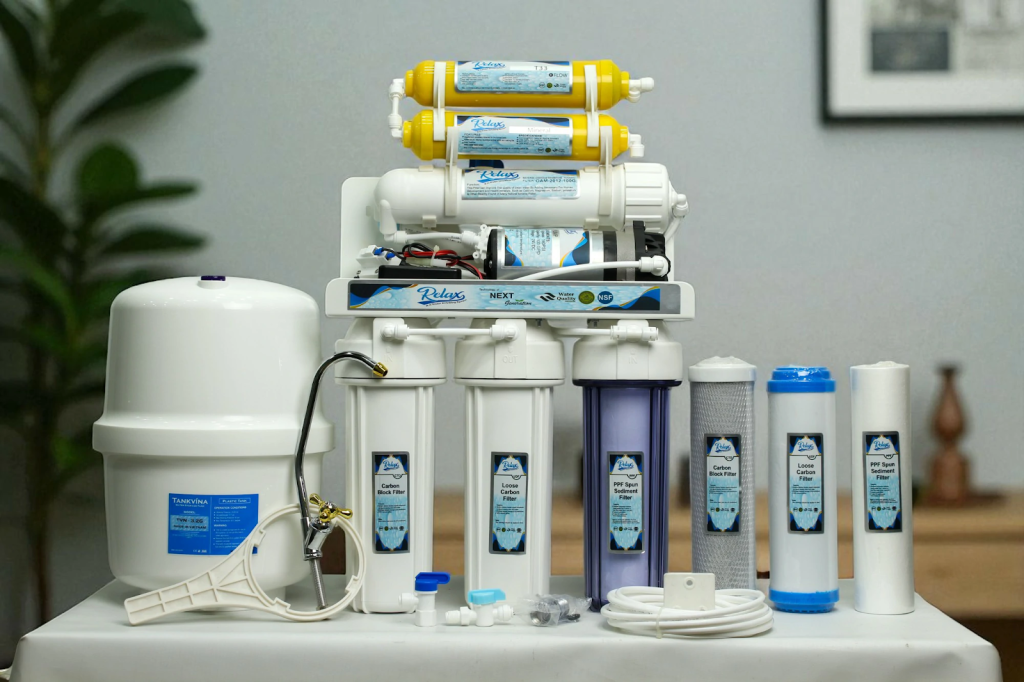
Water quality is a critical aspect of maintaining a healthy lifestyle, and ensuring that drinking water is pure and free from contaminants is a priority for many households. One effective method to achieve this is through the use of a reverse osmosis water filter. These filters are specifically designed to remove impurities from water, making them an essential component of any healthy drinking regimen.
Reverse osmosis (RO) is a water purification process that uses a semi-permeable membrane to remove ions, molecules, and larger particles from drinking water. It effectively reduces the presence of contaminants, improving both the taste and safety of the water consumed.
Understanding Reverse Osmosis
In the reverse osmosis process, water is forced through a semi-permeable membrane that filters out impurities such as lead, bacteria, and certain minerals. The diameter of the membrane pores is tiny enough to block these unwanted substances while allowing water molecules to pass through.
This filtration technology is renowned for its efficiency in removing common pollutants, including chlorine, fluoride, and nitrates, hence providing cleaner, safer drinking water.
Benefits of Reverse Osmosis Water Filters
One of the major benefits of using a reverse osmosis water filter is its ability to produce water of excellent quality that is free from harmful substances. This makes it a particularly attractive option for people living in areas with questionable water quality.
Furthermore, the use of a reverse osmosis system can reduce the reliance on bottled water, which is beneficial for the environment by decreasing plastic waste.
Improved Taste and Odour
Reverse osmosis systems are known for significantly improving the taste and odour of water by removing contaminants that contribute to bad smells and flavours. This results in water that is not only safer to drink but also more enjoyable.
Key Components of a Reverse Osmosis System
A typical reverse osmosis system consists of several stages of filtration. These stages may include a sediment filter, an activated carbon filter, the reverse osmosis membrane, and sometimes a post-filter.
The sediment filter is the first stage and is responsible for removing large particles such as dirt and rust that can damage other components of the system. Next, the activated carbon filter deals with chlorine and other chemicals that affect water taste and smell.
The Role of the RO Membrane
The heart of the system, the reverse osmosis membrane, effectively eliminates most dissolved solids, including dissolved salts and heavy metals.
The final stage often includes a post-filter to polish the water before it reaches the tap, ensuring that any residual tastes or odours are removed.
Maintenance of Reverse Osmosis Systems
Proper maintenance is essential to ensure that a reverse osmosis system functions optimally. This involves regular replacement of the filters and the membrane according to the manufacturer’s guidelines.
While reverse osmosis systems are generally low-maintenance, ensuring timely replacement of parts is critical to maintaining the quality and efficiency of water filtration.
Environmental Considerations
As awareness of environmental issues grows, more people are seeking sustainable solutions. Reverse osmosis systems contribute to sustainability by reducing the need for bottled water and thus lowering plastic waste.
Additionally, some models are designed to be more water-efficient, addressing concerns about water wastage during the filtration process.
Conclusion
Given the increasing concerns about water pollution and environmental sustainability, investing in a reverse osmosis water filter represents a smart choice for anyone looking to ensure access to pure, healthy drinking water. With its ability to significantly improve water quality by removing harmful contaminants, a reverse osmosis system is an essential appliance for modern households.
For more detailed information about which system may be most suitable for your home, consider visiting Pure Water Systems where a variety of options are available to meet diverse needs.