

Sustainability has become a major priority across the construction and infrastructure industries. Governments, contractors, and asset owners are increasingly looking for ways to reduce environmental impact while extending the lifespan of existing structures. Rather than replacing entire buildings or bridges, many projects now focus on targeted rehabilitation methods that preserve valuable materials and minimise waste.
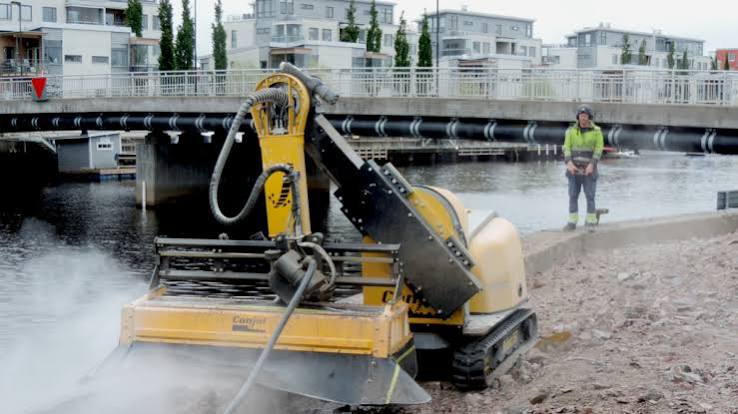
Hydro demolition has emerged as one of the leading technologies supporting this approach. By using ultra-high-pressure water to remove deteriorated concrete with precision, hydro demolition helps reduce unnecessary material removal while supporting more sustainable construction practices.
Extending the Life of Existing Infrastructure
One of the greatest environmental benefits of hydro demolition is its ability to preserve existing structures.
Instead of demolishing and rebuilding entire bridges, tunnels, parking structures, or industrial facilities, contractors can selectively remove only the damaged concrete while leaving sound material intact. This approach extends the service life of infrastructure and reduces the demand for new construction materials.
Extending the lifespan of existing assets helps conserve natural resources and lowers the environmental footprint of major construction projects.
Precision Concrete Removal Reduces Waste
Traditional demolition methods often remove more concrete than necessary because of mechanical impact and vibration. Hydro demolition allows operators to remove only deteriorated areas while preserving structurally sound concrete.
This precision significantly reduces construction waste and limits the amount of replacement material required during repairs.
Projects that generate less waste also reduce disposal costs and lessen the burden on landfill facilities.
Lower Demand for New Construction Materials
Manufacturing new concrete requires significant amounts of cement, aggregates, water, and energy. Cement production alone contributes substantially to global carbon emissions.
By preserving more of the original structure, hydro demolition reduces the volume of new concrete needed for repair projects. This helps lower resource consumption while supporting more environmentally responsible construction practices.
Many organisations seeking environmentally responsible hydro demolition companies value this approach because it aligns with broader sustainability objectives and asset management strategies.
Reducing material consumption supports both environmental and economic goals.
Reduced Structural Damage During Repairs
Mechanical demolition tools often create vibration that may damage surrounding concrete, increasing the amount of repair work required.
Hydro demolition removes damaged concrete without introducing significant vibration, helping preserve reinforcement steel and surrounding structural elements.
By preventing unnecessary damage, the process supports longer-lasting repairs and reduces future maintenance requirements.
Improved Recycling Opportunities
Concrete removed through hydro demolition can often be separated and processed more effectively for recycling than material heavily fractured by mechanical demolition.
Recycled concrete may be suitable for use as road base, fill material, or aggregate in other construction applications, depending on local regulations and project requirements.
Supporting material recovery contributes to circular economy principles within the construction industry.
Better Protection for Reinforcing Steel
Hydro demolition removes deteriorated concrete while leaving reinforcing steel largely undamaged. It also helps clean corrosion products from the reinforcement, preparing it for repair without excessive mechanical impact.
Preserving reinforcement reduces the need for steel replacement and helps improve the durability of rehabilitation work.
Efficient use of existing materials is a key principle of sustainable construction.
Supporting Green Infrastructure Projects
Many modern infrastructure projects include environmental performance targets alongside engineering objectives.
Hydro demolition supports these initiatives by reducing waste generation, extending infrastructure life, conserving resources, and enabling more efficient rehabilitation rather than complete replacement.
As sustainability standards continue evolving, repair technologies that minimise environmental impact are becoming increasingly valuable.
Improving Workplace and Environmental Conditions
Hydro demolition generally produces less airborne dust than many traditional concrete removal methods because water suppresses dust during the demolition process.
Lower dust levels can improve working conditions on site and help minimise the spread of fine concrete particles into surrounding areas.
Environmental management remains an important consideration for projects located in urban areas or environmentally sensitive locations.
Long-Term Cost and Environmental Benefits
Although hydro demolition may involve higher initial project costs in some situations, its long-term value often extends beyond direct financial savings.
More durable repairs, reduced waste disposal, lower material consumption, and extended infrastructure lifespan can all contribute to lower lifecycle costs while supporting sustainable asset management.
This long-term perspective is becoming increasingly important for infrastructure owners and project planners.
Helpful Related Construction Research
Construction professionals may also benefit from exploring sustainable concrete repair methods and bridge rehabilitation strategies using low-impact demolition technologies to gain a broader understanding of environmentally responsible infrastructure maintenance.
These related topics provide valuable insights into reducing environmental impact while improving long-term structural performance.
Final Thoughts
Hydro demolition is playing an increasingly important role in sustainable construction by enabling precise concrete removal, reducing waste, preserving existing infrastructure, and lowering demand for new construction materials. Rather than relying on large-scale demolition and reconstruction, many projects now prioritise targeted rehabilitation that delivers both environmental and economic benefits.
As the construction industry continues moving toward more sustainable practices, environmentally responsible hydro demolition companies will remain essential partners in helping deliver infrastructure projects that balance performance, durability, and environmental stewardship for the future.
