

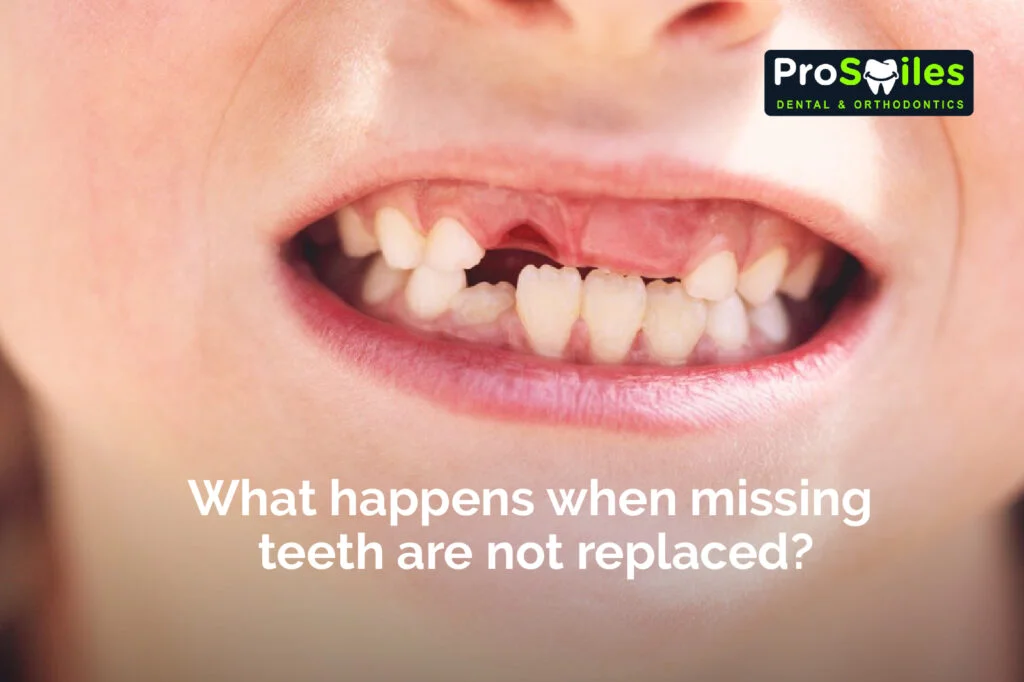
When someone loses a tooth, especially if it is located toward the back of the mouth, the first instinct is often to delay replacing it. If the gap is not visible while smiling or speaking, it may not seem like an urgent issue. Many people assume they can manage without it for months or even years. However, what appears to be a small and harmless gap can gradually lead to more serious dental complications.
Teeth do not function independently. They work together as a system that supports the jaw, maintains alignment, and distributes pressure during chewing. When even one tooth is lost, this balance begins to change. Over time, this imbalance can affect not only the surrounding teeth but also the overall structure of the mouth.
Why People Often Ignore a Missing Tooth
There are several reasons why people delay replacing a missing tooth. In many cases, there is no immediate pain or discomfort, which makes the issue easy to ignore. If the tooth is not visible, it may feel like a cosmetic concern rather than a functional one.
Cost can also be a factor, as some people are unsure about treatment options or assume that replacement procedures are complicated. Others simply adapt to the gap and believe that their mouth will adjust naturally over time.
However, the absence of noticeable symptoms does not mean that nothing is happening beneath the surface. The body begins to respond almost immediately after tooth loss, particularly in the jawbone where the tooth root once existed.
Bone Loss Begins Sooner Than Expected
One of the most significant consequences of losing a tooth is bone loss in the jaw. The jawbone relies on stimulation from the tooth root during daily activities such as chewing. When a tooth is lost, that stimulation stops.
As a result, the body begins to break down the unused bone in a process known as resorption. This process can begin within a few months of tooth loss and continues gradually over time. The bone becomes weaker and thinner, which can affect the stability of nearby teeth.
This loss of bone does not just affect the immediate area. Over time, it can alter the shape of the jaw and reduce the support for facial structures. This is one of the key reasons dentists recommend early replacement of missing teeth.
How Surrounding Teeth Start to Shift
Teeth rely on each other to stay in position. When a gap is created, the neighbouring teeth lose the support that keeps them aligned. Over time, they begin to drift or tilt toward the space.
This movement may not be noticeable at first, but it can gradually lead to alignment problems. Teeth can become crowded or uneven, and gaps may appear in unexpected areas. This shifting also makes it harder to clean between teeth, increasing the risk of plaque buildup and gum disease.
As the alignment changes, the way your upper and lower teeth meet also begins to shift. This can affect how you chew and may lead to additional pressure on certain teeth.
The Impact on Bite and Daily Function
Even a single missing tooth can change the way your bite functions. When teeth are no longer properly aligned, chewing forces are distributed unevenly. Some teeth may take on more pressure than they are designed to handle, while others are used less.
Over time, this imbalance can lead to discomfort in the jaw, difficulty chewing certain foods, and increased wear on remaining teeth. In some cases, it may also contribute to jaw tension or headaches, which is why consulting a dentist in Sydney at an early stage can help identify and manage these issues effectively.
These changes often happen gradually, which is why many people do not immediately connect them to a missing tooth. However, the longer the gap remains untreated, the more noticeable these functional issues can become.
Long-Term Effects on Appearance and Oral Health
A missing tooth can also affect the overall appearance of your face. Teeth and jawbones provide support for the lips and cheeks. When bone loss occurs, this support begins to weaken.
Over time, this can lead to subtle changes in facial structure, such as a slightly sunken appearance or premature ageing. While these changes may not happen immediately, they become more noticeable if the gap is left untreated for a long period.
In addition to cosmetic changes, oral health can also be affected. Gaps can trap food particles more easily, increasing the risk of bacteria buildup and infection. This can impact not only the surrounding teeth but also the gums.
Why Early Replacement Makes a Difference
Replacing a missing tooth early helps prevent many of these issues from developing. By restoring the space, you maintain the natural alignment of your teeth and support the structure of the jaw.
One of the most effective solutions is a single tooth implant, which replaces both the visible part of the tooth and the root beneath it. This is important because the root plays a key role in maintaining bone density.
Unlike other options, an implant integrates with the jawbone and provides the same kind of stimulation as a natural tooth. This helps prevent bone loss and keeps the surrounding structures stable.
A Reliable Solution for Long-Term Stability
A single tooth implant is often considered one of the most reliable replacement options because it functions similarly to a natural tooth. It does not rely on neighbouring teeth for support and allows you to chew, speak, and smile with confidence.
The stability provided by an implant also helps preserve the natural structure of the mouth. Maintaining bone density and alignment, it reduces the risk of future complications that can arise from untreated gaps.
While treatment options may vary depending on individual needs, addressing the issue early generally leads to better outcomes and fewer complications.
Conclusion
A missing tooth may seem like a minor issue, especially if it is not visible or painful. However, the effects go far beyond appearance. Bone loss, shifting teeth, and changes in bite function can all develop over time if the gap is left untreated.
What begins as a small space can gradually affect the overall health and structure of your mouth. Taking action early helps preserve both function and appearance, preventing more complex problems later on.
In many ways, this is similar to how small issues in a property are often ignored until they require a pest exterminator to resolve a much larger problem. Early intervention always leads to better outcomes.
Replacing a missing tooth is not just about restoring your smile. It is about maintaining the balance and stability of your entire dental system.
FAQs
What happens if I leave a missing tooth untreated?
Leaving a gap can lead to bone loss, shifting teeth, and changes in bite alignment over time.
How quickly does bone loss occur after tooth loss?
Bone loss can begin within a few months and continues gradually if the tooth is not replaced.
Can neighbouring teeth move into the gap?
Yes. Teeth often shift toward the empty space, which can cause alignment issues.
Is replacing a missing tooth necessary if it is not visible?
Yes. Even if it is not visible, a missing tooth can still affect function, alignment, and long-term oral health.