

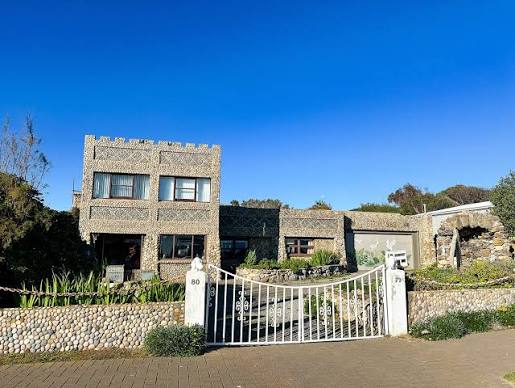
Character homes in Willoughby and Gladesville often have charm that newer properties cannot easily replicate. Timber details, older layouts, established gardens and solid construction make them appealing renovation projects. But once walls, floors and old fixtures are opened up, plumbing surprises can quickly appear.
Many homeowners budget for visible upgrades such as kitchens, bathrooms, tiles and fittings. The hidden pipework behind those surfaces is easier to forget. A plumber Willoughby renovators involve early can often identify old, corroded, or undersized plumbing before it causes delays. The same applies when working with a plumber Gladesville homeowners call during older home renovations.
Why Older Homes Hide Plumbing Problems
Older homes may have pipework installed under different standards, with materials and layouts that no longer suit modern use. Galvanised pipes can corrode internally, older copper may have worn fittings, and clay drains may have cracked or shifted underground.
Renovations often increase demand on the plumbing system. A new ensuite, larger laundry, modern kitchen or additional bathroom may place more pressure on old water and waste lines. Pipework that coped with the original home may not cope well with the upgraded layout.
Because much of the plumbing is hidden, problems may only appear once demolition begins.
Common Surprises During Renovation
One common surprise is corroded or restricted water pipework. The outside of a pipe may look acceptable, while the inside has narrowed from age and build-up. This can affect pressure and flow to new fixtures.
Another issue is outdated drainage. Old waste lines may be undersized, poorly graded or connected in ways that make modern fixture placement difficult. Renovators may also discover illegal or poorly completed previous plumbing work, especially in homes that have had multiple additions over decades.
In some properties, stormwater and sewer drainage may also be less reliable than expected, particularly if mature trees or old clay pipes are present.
What Homeowners Often Misunderstand
Many homeowners assume that if the existing bathroom or kitchen worked before renovation, the plumbing is fine. But renovation changes the context. New fixtures, different locations, higher usage and modern appliances can expose weaknesses that were previously hidden.
Another misunderstanding is that plumbing can be adjusted easily at the end of the project. In reality, plumbing decisions affect framing, waterproofing, cabinetry, floor levels, wall openings and fixture placement. Discovering pipe issues late can delay several trades at once.
Checking early may feel like an extra step, but it can protect both the budget and the renovation schedule.
Warning Signs Before Work Begins
Low water pressure, rusty water, slow drains, gurgling, sewer smells, recurring blockages, damp walls, mould near wet areas and old patch repairs are all signs worth investigating before renovation starts. Outdoor signs such as wet patches, cracked paving near drains or overflowing stormwater pits can also matter.
If the home has had additions, enclosed balconies, converted laundries or older bathrooms moved from their original positions, pipework may have been altered over time. These changes can create hidden complexity behind walls or under floors.
A pre-renovation plumbing check can help identify these issues while there is still time to plan properly.
Risks of Ignoring Hidden Plumbing
Ignoring hidden plumbing can lead to budget blowouts, project delays and rework. Newly tiled bathrooms may need to be opened again if drainage is not correct. Cabinetry may need alteration if pipes are discovered in unexpected places. Old water lines may leak once disturbed during construction.
There is also the risk of building beautiful new finishes over failing infrastructure. A renovated bathroom or kitchen is only as reliable as the pipes serving it.
Addressing old plumbing during renovation can be more efficient than repairing it after the new finishes are complete.
What a Plumber Checks Before or During Renovation
A plumber can assess water supply, drainage, fixture locations, pipe materials, hot water capacity, gas connections, stormwater drainage and access points. They may recommend CCTV drain inspection if recurring blockages or old underground pipes are suspected.
During demolition, a plumber can inspect exposed pipework and advise what should be retained, replaced or upgraded. This is also the time to check whether new fixtures can be installed in the planned locations without compromising drainage fall or access.
The goal is not to add unnecessary work. It is to avoid hiding known weaknesses behind new finishes.
Conclusion
Renovating a character home in Willoughby or Gladesville can be rewarding, but older plumbing should not be treated as an afterthought. Hidden pipes, outdated drainage and previous alterations can all affect the success of the project.
A calm plumbing assessment before major work begins can help homeowners understand what is behind the walls, plan realistically and reduce the risk of costly surprises once the renovation is underway.
