

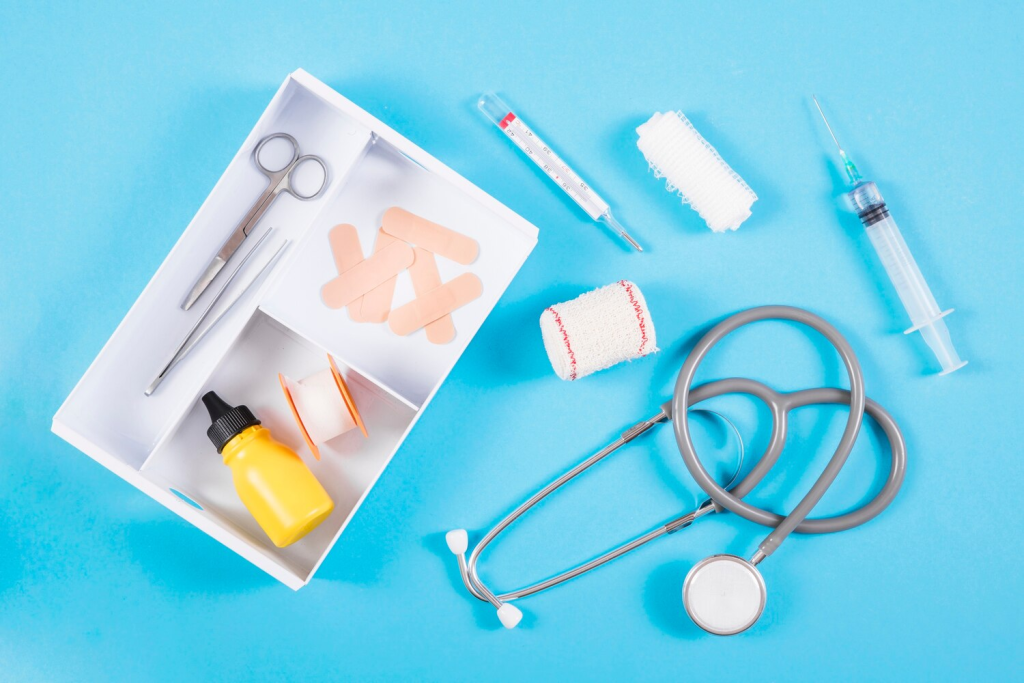
Healthcare providers depend on a wide array of medical supplies to ensure they deliver optimal care to patients. These supplies are crucial not only for daily operations but also for managing emergencies efficiently. This guide explores the essential medical supplies that are indispensable in the healthcare industry today.
General Medical Supplies
The foundation of any healthcare setting is its general medical supplies, which include items such as gloves, masks, and gauze. These supplies ensure the safety and hygiene of both patients and healthcare workers. Personal protective equipment (PPE) is particularly important in preventing the spread of infections.
Importance of Sterility
Sterility in medical environments cannot be overstated. Items like sterile gloves, gowns, and surgical drapes are essential to maintain a germ-free environment. This not only protects patients during procedures but also ensures that healthcare providers are not transmitting any infections.
Diagnostic Tools
Accurate diagnosis is the first step in effective patient care. Essential diagnostic tools such as stethoscopes, blood pressure monitors, and thermometers must be readily available. These tools help in the assessment of a patient’s immediate health status and in making informed decisions regarding their care plan.
Advanced Diagnostic Equipment
In addition to basic tools, advanced diagnostic equipment such as ultrasound machines and ECG monitors play a vital role in the detailed analysis of a patient’s condition. These machines provide insights that are crucial for creating effective treatment protocols.
Surgical Instruments
Surgical settings require a comprehensive range of instruments. Scalpels, forceps, and scissors are among the fundamental tools needed during surgical procedures. Precision and quality of these instruments directly impact surgical outcomes.
Innovations in Surgery
Innovations such as robotic surgical systems and minimally invasive equipment have revolutionised surgical procedures, offering greater precision and reduced recovery times. These developments ensure that surgeries are safer and more effective.
Emergency Supplies
Emergency rooms are areas where every second counts. Essential emergency supplies such as defibrillators, oxygen tanks, and rapid infusion kits play a critical role in life-saving interventions. The availability of these supplies can be the difference between life and death in critical situations.
Preparedness in Emergencies
Being prepared for emergencies means having both the necessary supplies and the appropriate training. Regular drills and simulations are as important as keeping inventories stocked to handle an influx of patients effectively.
Specialised Equipment
Specialised medical equipment is also essential, catering to sectors such as paediatrics, cardiology, and orthopaedics. Customised equipment ensures that specific patient needs are met efficiently, improving overall outcomes.
Role of Technological Advancements
Technological advancements have led to more sophisticated medical equipment. Devices that integrate with electronic health records and wearable technology have improved monitoring and treatment precision, leading to better patient outcomes.
Maintaining Medical Supplies
A comprehensive inventory management system is crucial for maintaining the supply chain of medical supplies. Regular stock checks and rotation practices ensure that supplies remain within their useable life and are readily available when needed.
Sustainability in Medical Supplies
Sustainable practices in the supply chain are becoming increasingly important. Healthcare providers are encouraged to source supplies from vendors that prioritise eco-friendly and recyclable materials.
Training and Usage
Proper training on the use of medical equipment and supplies is essential for healthcare providers. Comprehensive training programmes ensure that all staff are aware of the latest protocols and best practices associated with their tools and equipment.
In conclusion, healthcare providers must have access to a full spectrum of medical supplies to deliver effective and efficient care. The right mix of equipment and supplies, integrated with training and management practices, lays the foundation for a robust healthcare system capable of meeting both routine and emergent medical needs. To explore the latest in medical supplies, providers can visit reliable sources such as Medical Devices.