

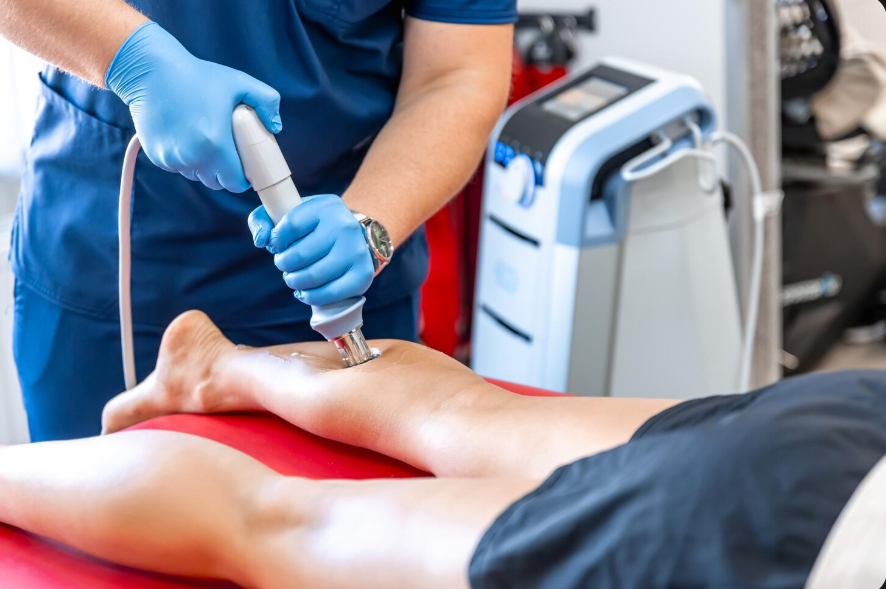
Varicose veins are a common vascular condition characterised by enlarged and twisted veins, often noticeable on the legs. Seeking appropriate varicose veins treatment is essential for both health and cosmetic reasons. Advancements in medical technology have made treating this condition more effective and accessible than ever before.
Understanding Varicose Veins
Before delving into treatments, it is important to understand what varicose veins are. These veins typically appear swollen and raised above the surface of the skin. They can be blue or dark purple and are often accompanied by aching, swelling, and discomfort.
Causes of Varicose Veins
The primary cause of varicose veins is improper functioning of the valves within the veins, leading to blood pooling. Factors such as genetics, obesity, pregnancy, and prolonged standing can contribute to their development. Recognising these causes can help in preventive measures and early treatment.
Modern Treatment Options
There are several treatment options available today that cater to different severities and patient needs. The choice of treatment depends on various factors including the size, location, and severity of the veins.
Sclerotherapy
Sclerotherapy involves injecting a sclerosant solution into the affected veins, causing them to collapse and fade. It is a non-surgical procedure often recommended for smaller varicose and spider veins.
Endovenous Laser Therapy (EVLT)
This minimally invasive procedure uses laser energy to seal off the affected veins. Endovenous Laser Therapy is highly effective and offers quick recovery times, making it a popular choice among patients.
Radiofrequency Ablation
Similar to EVLT, radiofrequency ablation employs radiofrequency energy to heat and close the varicose veins, diverting blood to healthier veins. It is an outpatient procedure that provides significant relief from symptoms.
Ambulatory Phlebectomy
This surgical procedure involves the removal of superficial veins through small incisions. It is typically used for large varicose veins and provides immediate cosmetic results.
Compression Stockings
Compression therapy is often the first line of non-invasive treatment recommended to improve blood circulation and alleviate symptoms. While they do not eliminate varicose veins, they can prevent further worsening of the condition.
Benefits of Modern Treatments
Modern varicose vein treatments offer numerous benefits beyond aesthetic improvements. They can significantly reduce symptoms such as pain and swelling, improve mobility, and enhance overall quality of life. Additionally, with advances in medical procedures, most treatments have minimal downtime and lower risks of complications.
Choosing the Right Treatment
Selecting the appropriate treatment involves consultation with a specialist who can assess the severity of the condition and recommend the best approach. Personal preferences and medical history are also considered in the decision-making process.
Prevention Tips
While treatments are effective, prevention remains key in managing varicose veins. Regular exercise, maintaining a healthy weight, and avoiding long periods of standing or sitting can help reduce the risk of developing varicose veins.
Conclusion
Varicose veins are a common yet manageable condition with the help of modern medical treatments. By understanding the causes and exploring the array of treatment options available, individuals can make informed decisions to achieve healthier legs and improved wellbeing. Consulting with vein specialists like those at The Vein Institute is a recommended step towards effective varicose veins management and treatment.