

We all know the feeling. You wake up, the alarm blares, and before your feet even hit the floor, you feel it: that stiff, creaky sensation in your joints or that dull ache in your lower back. For many of us, mornings aren’t about greeting the sun; they’re about negotiating with our bodies just to get moving.
But what if the solution to waking up pain-free wasn’t found in a pill bottle or a new mattress, but in reconnecting with the ground beneath us? This is the core concept of “Earthing” or grounding—the practice of physically connecting with the Earth’s electrical energy. While walking barefoot on grass is the traditional method, modern life often keeps us indoors and insulated. This is where the earthing mat comes into play, promising to bridge that gap while we sleep.
Understanding the Earthing Mat
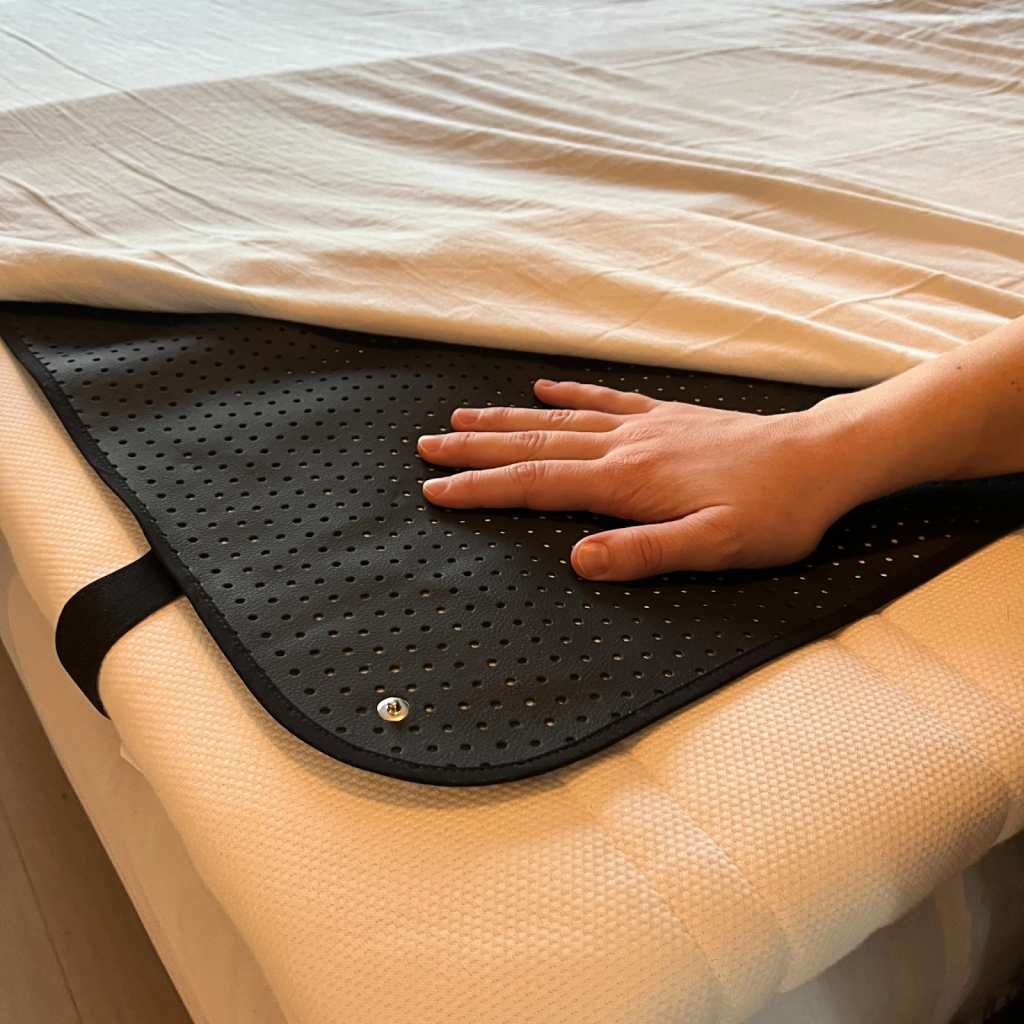
So, what exactly is an earthing mat? In simple terms, it’s a conductive pad—usually made of polyurethane laced with carbon or silver—that you place on your bed or under your desk. It connects to the ground port of a standard electrical outlet via a cord.
The science suggests that the Earth carries a subtle, negative electrical charge. When we make direct contact with the ground, we absorb free electrons that act as natural antioxidants. Modern rubber-soled shoes and elevated beds block this flow. An earthing mat essentially replicates that barefoot-on-grass experience, allowing those electrons to flow into your body while you rest, potentially neutralizing the positively charged free radicals that contribute to inflammation.
Reducing Morning Pain
Inflammation is often the silent culprit behind morning stiffness and chronic pain. Whether it’s arthritis, an old injury, or just the wear and tear of daily life, inflammation tends to pool while we are sedentary at night.
Using a grounding device during sleep aims to tackle this issue at the source. By providing a steady stream of free electrons, the body may be better equipped to quell inflammation before it flares up. Many users report a noticeable difference in how they feel upon waking—less stiffness in the knees, reduced back pain, and a general feeling of being less “rusty” in the morning. It’s not necessarily a magic cure, but rather a way to help the body return to a neutral, balanced state.
Improving Overnight Recovery
For the active individuals among us—runners, gym-goers, or anyone with a physically demanding job—recovery is everything. Deep sleep is when the body repairs muscle tissue and regulates hormones.
Grounding has been shown in some studies to normalize cortisol levels, the body’s primary stress hormone. When cortisol is unregulated, it can disrupt sleep cycles and keep the body in a state of low-level “fight or flight,” hindering recovery. By stabilizing these rhythms, an earthing mat may help facilitate deeper, more restorative sleep. This means your body has a better chance to repair micro-tears in muscles and replenish energy stores, leading to better performance and less soreness the next day.
Practical Tips for Integration
Integrating grounding into your routine is surprisingly low-effort. Here is how to get the most out of it:
- Skin Contact is Key: For the electrons to flow, your bare skin needs to touch the mat. Place it under your legs or torso while you sleep.
- Consistency Matters: Like any wellness practice, results often compound over time. Try to use it every night for at least a few weeks to gauge the benefits.
- Stay Hydrated: Water improves conductivity. Staying well-hydrated can help the grounding process work more efficiently within your body.
A Grounded Approach to Wellness
In a world dominated by high-tech health trackers and complex bio-hacks, there is something refreshing about a solution that simply reconnects us to nature. While individual experiences vary, the potential for reduced inflammation and better sleep makes grounding a compelling option for those tired of waking up in pain. It’s a gentle reminder that sometimes, the best way to move forward is to get back to basics.
