

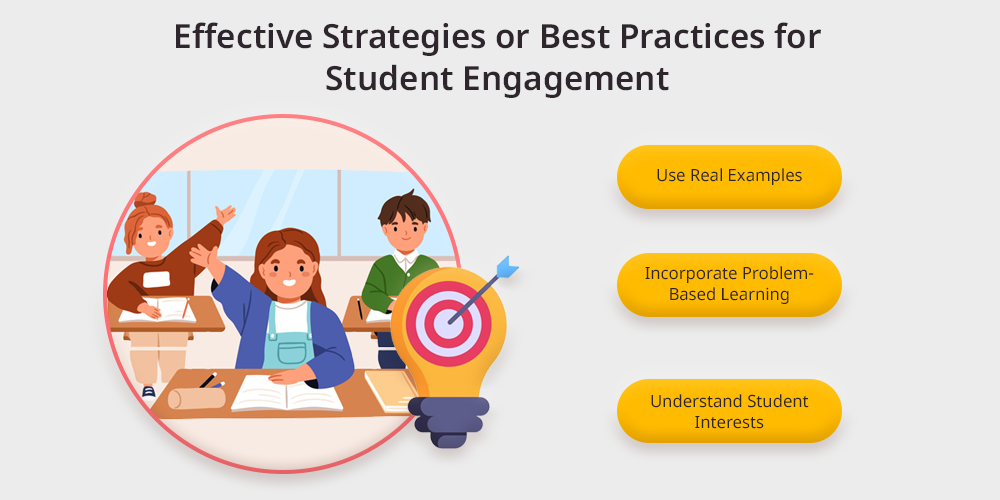
Student engagement represents the holy grail of effective teaching, yet capturing and maintaining attention in today’s distraction-filled world presents unprecedented challenges. When teachers successfully engage students, learning deepens, retention improves, and classroom management issues diminish. The strategic integration of tech resources has opened new pathways for creating interactive, personalized learning experiences. This article examines cutting-edge engagement strategies that transform passive learners into active participants in their educational journey.
Creating Interactive Learning Experiences
Traditional lecture-based instruction no longer suffices for today’s learners who have grown up in interactive digital environments. Incorporating hands-on activities, experiments, and simulations allows students to experience concepts rather than simply hearing about them. Project-based learning engages students by connecting academic content to real-world applications, making learning relevant and meaningful. When students see how their education applies beyond the classroom walls, motivation increases naturally.
Interactive learning also includes collaborative activities that leverage peer interaction. Group projects, think-pair-share exercises, and collaborative problem-solving sessions engage students socially while developing critical teamwork skills. The key is structuring these activities with clear objectives, defined roles, and accountability measures to ensure all students participate meaningfully. Varying grouping strategies—random, ability-based, interest-based—keeps activities fresh and exposes students to diverse perspectives.
Incorporating Choice and Student Voice
Autonomy significantly impacts student engagement and motivation. Providing choices in how students demonstrate learning, what topics they explore within broader themes, or how they organize their work empowers them as active participants in their education. Choice boards, menu assignments, and genius hour projects give students ownership over their learning while still meeting curricular objectives. This autonomy fosters intrinsic motivation that external rewards cannot replicate.
Student voice extends beyond assignment choices to include input on classroom decisions, curriculum design, and assessment methods. Regular feedback sessions where students share what’s working and what isn’t demonstrate that their opinions matter. Student-led conferences, peer teaching opportunities, and classroom leadership roles further amplify student voice. When young people feel heard and valued, engagement naturally follows because they’re invested in outcomes they helped shape.
Leveraging Gamification and Competition
Gamification applies game design elements to educational contexts, tapping into students’ natural desire for achievement, competition, and reward. Point systems, badges, leaderboards, and level progression create engaging frameworks around academic content. Educational games and simulations make learning fun while developing critical thinking and problem-solving skills. The immediate feedback inherent in games helps students understand their progress and identify areas needing improvement.
Healthy competition, when structured appropriately, can boost engagement significantly. Team-based competitions, class challenges, and individual goal-setting with progress tracking motivate students to push themselves. The key is ensuring competition remains positive and inclusive, celebrating improvement and effort rather than only recognizing top performers. Collaborative competitions where the class works together toward a common goal build community while maintaining the motivational benefits of gamification.
Integrating Multimedia and Technology Tools
Today’s students are digital natives who respond well to multimedia presentations that combine text, images, video, and audio. Creating dynamic lessons that incorporate various media types addresses different learning styles while maintaining interest. Educational videos, podcasts, virtual field trips, and interactive presentations break up traditional instruction and provide varied entry points for understanding complex concepts. The visual and auditory stimulation helps maintain attention spans that might wander during traditional lectures.
Technology tools enable personalized learning experiences that engage students at their individual levels. Adaptive learning platforms adjust difficulty based on student performance, ensuring appropriate challenge without frustration. Digital collaboration tools facilitate group work and peer feedback, extending learning beyond classroom walls. Virtual and augmented reality applications create immersive experiences that were previously impossible, bringing abstract concepts to life in tangible ways. However, technology should enhance rather than replace quality instruction, serving as a tool for engagement rather than an end in itself.
Conclusion
Student engagement requires intentional planning, creativity, and willingness to evolve beyond traditional teaching methods. By creating interactive experiences, honoring student voice, incorporating gamification, and leveraging technology thoughtfully, educators can capture and maintain student attention in meaningful ways. The most effective engagement strategies recognize that students are not empty vessels to be filled but active participants in constructing their own understanding. As education continues to adapt to changing student needs and technological capabilities, the fundamental goal remains constant: creating learning experiences so compelling that students can’t help but engage fully in their educational journey.
