

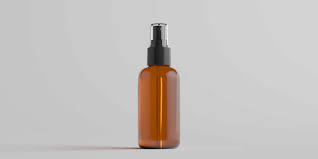
Amber glass is renowned for its ability to safeguard light-sensitive formulas and oils from the detrimental effects of UV exposure. The composition of amber glass efficiently filters out ultraviolet radiation, thus preserving the quality and efficacy of various products. Utilising amber glass bottles is a practical solution for industries where maintaining product integrity is critical.
The Science Behind UV Protection
Ultraviolet light, especially in the form of UV-A and UV-B rays, is capable of altering the chemical structure of sensitive formulas and oils. This alteration can lead to a degradation in the product’s quality. Amber glass, however, absorbs and reflects these harmful rays, reducing the potential for molecular-level damage. This makes it an essential component in packaging solutions designed for longevity and efficacy.
Preservation of Aromas and Flavours
Products such as essential oils and perfumed compositions are not only sensitive to light but also to changes in temperature and chemical stability. By choosing amber glass, manufacturers can ensure that the original aroma and flavour profile remains unchanged over time. The opaque nature of amber glass mitigates the risk of light-induced reactions that can compromise these sensory qualities.
Applications in the Cosmetic Industry
The cosmetic industry frequently relies on amber glass for packaging products like serums and creams. These formulations often contain active ingredients that are highly reactive to light exposure. By utilising amber glass, companies can enhance the shelf life of their products, assure customers of their potency, and reduce the need for preservatives that might alter the product’s nature.
Pharmaceutical Uses
In the pharmaceutical sphere, the stability of medications is paramount. Amber glass serves an important role by acting as a shield against UV light, ensuring that medications maintain their effectiveness throughout their intended shelf life. This is crucial for sensitive medications where even minor degradation can have significant effects on efficacy.
Environmental Considerations
Apart from its protective qualities, amber glass is also environmentally friendly. It is recyclable, which aligns with contemporary efforts to reduce environmental footprints. Choosing this material over alternatives can not only preserve product quality but also contribute to sustainable practices in the industry.
Other Benefits of Amber Glass
The benefits of amber glass extend beyond UV protection. For example, it often provides a better seal compared to plastic, which can prevent the entry of oxygen and moisture. This aspect helps in preserving products that are sensitive to oxidation, further extending their viable shelf life.
Integration with Current Technologies
The integration of advanced sealing technologies with amber glass enhances its protective capabilities. Companies like Techpack Packaging offer a variety of closure options that complement the benefits of amber glass, ensuring comprehensive protection of sensitive products.
Cost-Effectiveness
While amber glass might initially seem more expensive than other materials, its ability to elongate the life of products and reduce waste can lead to substantial cost savings over time. This makes it a wise investment for businesses looking at long-term benefits.
Amber Glass in the Food Industry
In the food industry, light-sensitive items such as artisanal oils and vinegars can benefit from the protective qualities of amber glass. By using this material, manufacturers can maintain the integrity and freshness of their products, even when they are stored for extended periods.
Customisation Potential
Amber glass provides significant potential for customisation in terms of shape and size, which allows manufacturers to create aesthetically pleasing packaging that also serves a functional purpose. This is particularly important for brands looking to enhance their product’s visual appeal while maintaining high protective measures.
Amber Glass vs. Other Materials
When compared to other packaging materials, amber glass offers superior UV protection while being chemically inert. Metals and plastics can react with contents over time, potentially altering the product, whereas amber glass remains stable.
Advancements in Production
Recent advancements in glass production technology have made amber glass more durable and lightweight, thereby reducing shipping costs and making it even more attractive for global distribution. This progression not only benefits manufacturers but also makes it easier for consumers to handle the products.
Conclusion
Amber glass plays an indispensable role in protecting light-sensitive formulas and oils. Its unique properties provide robust UV protection, preserving both the quality and potency of the products it packages. As industries continue to demand more from their packaging, the utilisation of amber glass emerges as a superior choice, combining durability, effectiveness, and environmental consciousness.
Investing in amber glass not only benefits product longevity but also aligns with sustainability goals, making it an essential component in modern packaging strategies.