

A flat battery can happen at the worst time. You may be leaving for work, picking up the kids, heading to an appointment, or trying to start the car after it has been parked for a few days. One turn of the key or press of the start button, and instead of the engine starting, you hear clicking, slow cranking, or nothing at all.
Car batteries do not last forever. They weaken with age, heat, short trips, electrical load, and periods of inactivity. In Sydney, many drivers use their vehicles for short commutes, stop-start traffic, school runs, and weekend errands. These habits can affect how well the battery charges and how long it lasts.
Knowing the signs of a weak battery can help drivers avoid being stranded unexpectedly.
Why Car Batteries Wear Out
A car battery stores electrical energy needed to start the engine and power electrical systems when the engine is not running. Once the engine starts, the alternator helps recharge the battery.
Over time, the battery’s internal components degrade. Heat, vibration, repeated short trips, and deep discharge can all reduce performance.
Short trips can be especially hard on batteries because the alternator may not have enough time to fully recharge the battery after starting the car.
Slow Engine Cranking
One of the most common signs of a weak battery is slow cranking. The engine may take longer than usual to start, or it may sound sluggish when turning over.
This often happens in the morning or after the vehicle has been parked for several hours.
If slow cranking becomes regular, the battery should be tested before it fails completely.
Clicking Sound When Starting
A clicking sound when trying to start the car can suggest the battery does not have enough power to engage the starter motor properly.
A single click or rapid clicking noise may be heard. While the starter motor or electrical connections may also be involved, the battery is often one of the first things to check.
Dashboard Lights or Electronics Acting Strangely
A weak battery can affect electrical systems. Drivers may notice dim headlights, flickering dashboard lights, slow power windows, warning lights, or infotainment issues.
Modern cars rely heavily on electronics, so battery health is important for more than just starting the engine.
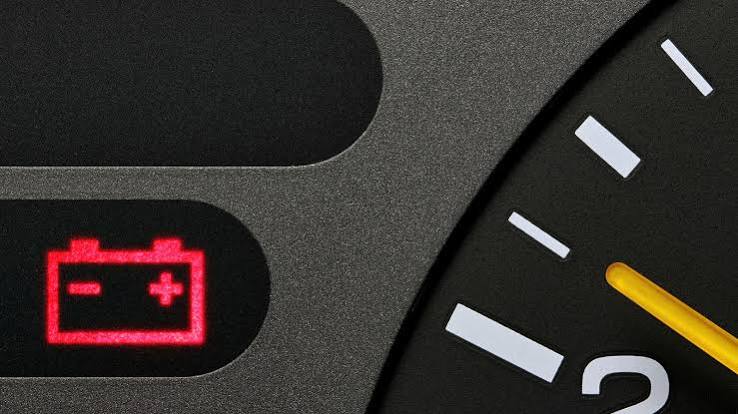
Battery Warning Light
The battery warning light does not always mean the battery itself has failed. It may indicate a charging system issue, such as a faulty alternator, belt problem, or electrical fault.
If the battery light appears while driving, the vehicle should be checked because the car may eventually lose electrical power.
Corrosion Around Battery Terminals
White, blue, or greenish corrosion around battery terminals can affect the electrical connection. This may cause starting problems or inconsistent battery performance.
Corrosion should be handled carefully and cleaned properly. Loose or damaged terminals may also need attention.
Why Batteries Fail Suddenly
A battery can seem fine one day and fail the next. This often happens when the battery is already weak but has not shown obvious symptoms.
A change in weather, leaving lights on, a short drive cycle, or extra electrical load can be enough to expose the problem.
Regular battery testing during servicing can help identify a weak battery before it fails.
When Replacement May Be Needed
If a battery repeatedly goes flat, fails a load test, struggles to start the car, or is several years old, replacement may be the most practical option.
Drivers dealing with slow starts, clicking, warning lights, or repeated flat battery issues may need Car Battery Replacement in Sydney to restore reliable starting.
A mechanic can also check whether the alternator and charging system are working correctly.
How to Extend Battery Life
Drive the car regularly, avoid leaving lights or accessories on, keep terminals clean, service the vehicle on schedule, and have the battery tested if starting becomes slow.
If the car is not used often, a battery maintainer may help in some cases.
FAQs
Why does my car battery keep going flat?
It may be old, undercharged, affected by short trips, or drained by an electrical issue. Testing can identify the cause.
Can a weak battery affect modern car electronics?
Yes. Low voltage can affect sensors, warning lights, infotainment, and other electronic systems.
How do I know if it is the battery or alternator?
A battery and charging system test can help determine whether the battery, alternator, or wiring is the problem.
Should I replace the battery before it fails?
If testing shows the battery is weak, replacing it early can help avoid unexpected breakdowns.
Conclusion
A weak battery can cause slow starts, clicking, warning lights, and electrical problems. While some battery failures happen suddenly, many give warning signs first.
Testing and replacing a failing battery early can help Sydney drivers avoid inconvenient breakdowns and keep their vehicle reliable.
