

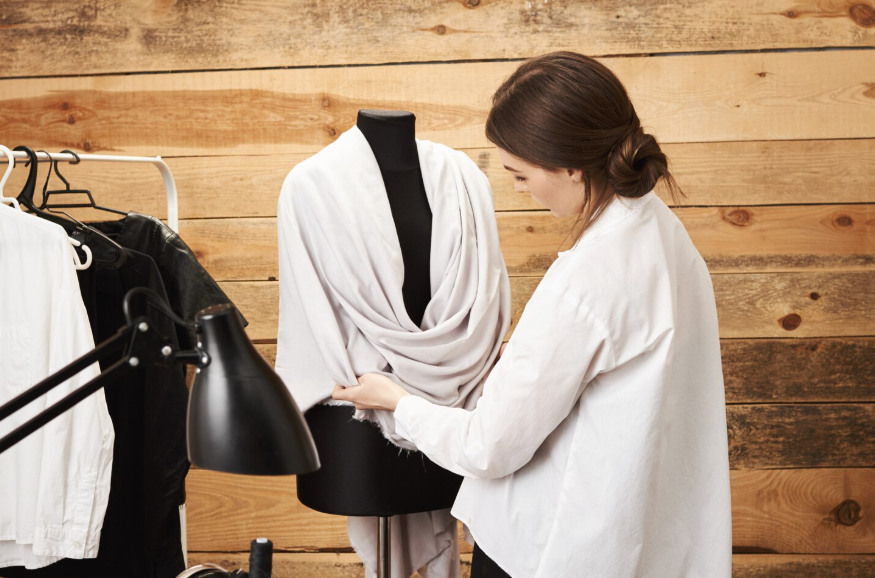
When one considers the world of designer clothes, the first thought often relates to the exclusivity and quality associated with high fashion. Designer clothing is not merely about wearing a piece of fabric; it represents status, individuality, and a connection to art. For fashion aficionados, owning designer outfits is a way to express personality through unique styles that transcend conventional fashion norms.
What Defines Designer Clothes?
Designer clothes are crafted by renowned fashion designers who imbue their artistic vision into every piece. These garments are typically made with high-quality materials and exhibit exceptional attention to detail. Designer labels often release limited editions to maintain exclusivity and to ensure that the pieces remain sought-after within the fashion community.
The Significance of Quality and Craftsmanship
Quality stands at the forefront of what makes designer clothes desirable. Unlike mass-produced apparel, designer pieces are often handcrafted or made with an enhanced level of craftsmanship. This meticulous process ensures that each piece not only looks stunning but is durable and timeless, allowing individuals to invest in clothing that remains stylish across different seasons and trends.
Material Matters
The selection of materials is another distinguishing factor of designer clothes. Premium fabrics such as silk, cashmere, and fine wool are commonly used, not only for their aesthetic appeal but also for comfort and longevity. The intricate weaves and high-quality fibres contribute to the luxurious feel of these garments, enhancing their value and appeal.
Individuality in Design
Fashion designers are artists at heart who bring their unique perspectives to their collections. This artistic expression is evident in the distinct designs that often challenge fashion conventions. Wearing designer clothes allows consumers to stand out and make a bold fashion statement, resonating with their personal style and preferences.
Investment in Style
Many view purchasing designer clothes as an investment rather than a simple transaction. The limited availability and timeless design of these pieces often mean they retain or appreciate in value over time. This is particularly true for iconic items from well-known fashion houses that become collectibles within the fashion industry.
The Role of Designer Clothes in Sustainable Fashion
As sustainability becomes a focal point in the fashion industry, many designer brands are leading the charge towards more eco-friendly practices. By using sustainable materials and ethical production methods, designers are working towards reducing the industry’s environmental impact, making designer pieces an appealing option for environmentally-conscious consumers.
Influencing Trends
Designer clothes often serve as the benchmark for upcoming trends. Fashion houses present their collections at global fashion weeks, providing a glimpse into what will dominate the fashion scene in the coming seasons. By wearing designer clothing, individuals align themselves with these trends early, showcasing their fashion-forward sensibilities.
The Myth of the Price Tag
While designer clothes are often associated with a higher price tag, it is important to understand what contributes to this cost. The considerable investment in premium materials, expert craftsmanship, and the creative process justifies the pricing. For those who appreciate these aspects, the price reflects the true value of elegance and exclusivity.
Custom and Tailored Fit
Another aspect that elevates designer clothes is the fit. Designers often offer bespoke services, tailoring garments to fit the buyer perfectly. This custom fit enhances comfort and appearance, adding to the perceived value of the clothing and allowing for a more personalised wardrobe.
Celebrity Influence
Celebrity endorsements further amplify the allure of designer clothes. Many public figures choose to wear these garments at red carpet events, award ceremonies, and other high-profile occasions, setting trends and influencing their fanbase’s choices.
Building a Signature Wardrobe
Incorporating designer clothes into one’s wardrobe is about selecting pieces that complement and enhance existing styles. A well-curated wardrobe with timeless designer pieces creates a cohesive look that conveys confidence and sophistication.
The Emotional Connection
Beyond aesthetics, designer clothes often forge an emotional connection with the wearer. The experience of purchasing and wearing an exclusive piece can evoke feelings of pride and fulfilment, strengthening the bond between the individual and their clothing.
Designer Clothes as Gifts
Gifting designer clothes is an excellent way to express appreciation and admiration for loved ones. These clothes convey a sense of thoughtfulness and luxury, making them ideal gifts for special occasions.
The Future of Designer Fashion
Looking ahead, designer fashion will continue to evolve, integrating technology and innovative fabrics into new collections. With the rise of digital fashion platforms and the continued emphasis on sustainability, the future promises exciting developments for both designers and fashion consumers alike.
In conclusion, designer clothes go beyond mere fashion. They are a blend of art, culture, and personal expression, providing wearers an opportunity to illustrate their individual style with distinction.