

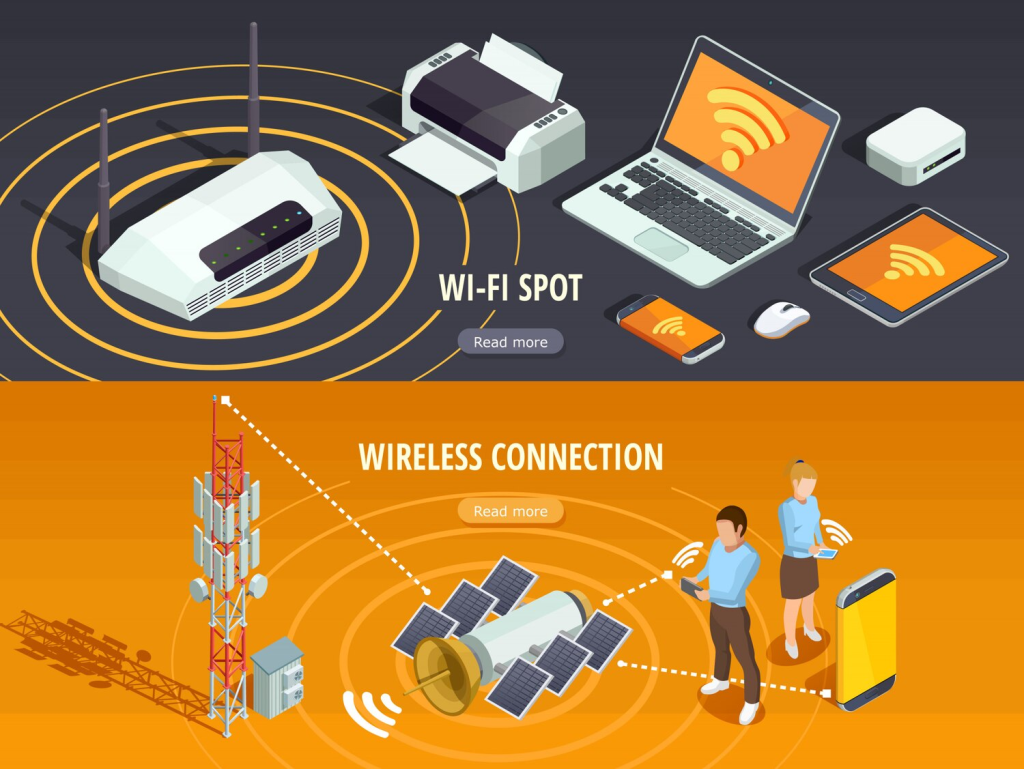
In the modern era of communication, having reliable and efficient connectivity is fundamental. Businesses and individuals alike rely on seamless data transmission to facilitate operations and daily activities. One such solution offering robust connectivity is the wireless microwave link.
Introduction to Wireless Microwave Links
A wireless microwave link is a transmission system that uses the microwave spectrum to send data from one point to another. Typically, this involves the use of dish antennas to transmit data via radio waves across vast distances without the need for cables. This technology has been pivotal in extending connectivity where traditional cabling is impractical or too costly.
Benefits of Wireless Microwave Link Solutions
The adoption of wireless microwave links comes with numerous advantages. Firstly, they offer high bandwidth capabilities, which means they can handle large volumes of data efficiently. This is particularly beneficial for organisations that require high-speed internet and communication across multiple locations.
Secondly, wireless microwave link solutions are cost-effective. Compared to laying down fibre optics or traditional cabling, microwave links require less infrastructure investment. This makes them an attractive option for both urban and rural settings, where costs can often be prohibitive.
Scalability and Flexibility
Another significant benefit is their scalability. As a business grows, its communication needs will often increase. Wireless microwave links can be scaled up relatively easily to meet these demands. Additionally, they offer flexibility in deployment, allowing organisations to extend or adjust their networks with minimal disruption.
Reliability and Performance
Reliability is crucial when it comes to communication networks, and microwave links deliver a high level of dependability. They are less susceptible to the physical hazards that can impact wired connections, such as construction or natural disasters. This reliability ensures consistent performance, which is essential for any business operation.
Applications of Wireless Microwave Links
Wireless microwave links have a wide range of applications. They are extensively used in telecommunications to connect remote sites and cellular base stations to the main network. Additionally, they serve various industries, including broadcasting, where they facilitate the transmission of live events and programmes.
In the corporate sector, microwave links help to connect different office locations, providing seamless voice and data communication. They are particularly useful for industries that require quick deployment of network resources, such as oil and gas exploration sites.
Emergency and Temporary Installations
Wireless microwave links are invaluable in emergency situations where quick deployment of communication infrastructure is required. Because of their ease of installation, they are often used in disaster recovery efforts to restore communication networks rapidly.
Temporary Events
For temporary events, such as concerts or festivals, microwave links provide a quick and efficient solution for setting up communication networks required for the event. This includes everything from internet access for vendors to media broadcasting.
Technological Advancements in Microwave Links
As technology continues to advance, so do the capabilities of wireless microwave links. Recent developments have focused on enhancing data throughput, reducing latency, and improving the overall efficiency of the systems. This makes them more competitive compared to other forms of wireless communication technologies.
Environmentally Friendly Communication
Microwave links are also considered to be environmentally friendly. They produce lower amounts of electromagnetic interference compared to some other wireless communication methods, and the need for less physical infrastructure means reduced environmental disruption.
Future Prospects
Looking ahead, the role of wireless microwave links is set to expand even further. With the ongoing growth of IoT devices and the increasing demand for high-speed data transmission, these links will be crucial in supporting the infrastructure needed for future technologies.
Conclusion
Wireless microwave link solutions are an essential part of modern communication networks. Their ability to provide cost-effective, reliable, and high-performance connectivity makes them an ideal choice for various applications. As technology continues to evolve, these solutions will play a critical role in shaping the future of global communication.